This website stores cookies on your computer. These cookies are used to improve your website experience and provide more personalized services to you, both on this website and through other media.
Accept
EdTechReviewEdTechReview
  • News
  • Trends
  • Insight
  • eLearning
  • Research
  • Dictionary
  • EdTech Voices
  • More
    • Data & Statistics
    • Reviews
    • AWS for Education
    • Events

    Resources

    • Infographics
    • Reports & Case Studies
    • Videos
    • Books
    • Webinar

    Needs

    • 1:1 Learning
    • 21st Century Education
    • 21st Century Leadership
    • 21st Century Learning
    • 21st Century Teaching
    • 3D Printing
    • More Tags

    For

    • Students
    • Teachers/Educators
    • Administrators
    • Entrepreneurs/Startups
    • Govt. Officials/Policymakers
    • Parents
Explore
Search
Contribute
  • Submit A Post
  • EdTech Trainers and Consultants
  • Your Campus EdTech
  • Your EdTech Product
  • Your Feedback
  • Your Love for Us
  • EdTech Product Reviews
ETR Resources
  • About
  • Mission/Vision
  • Team
  • Services
  • Testimonials
  • Authors
  • Sponsor
  • Partner
  • Advertise
  • Our Clients
  • Media Kit
  • Press Release
  • FAQ’S
Reading: How Do You Define a Blended Learning Environment
Aa
EdTechReviewEdTechReview
Aa
Search
  • News
  • Trends
  • Insight
  • eLearning
  • Reviews
  • Dictionary
  • EdTech Voices
  • Data & Statistics
  • Research
  • AWS for Education
  • Events
  • EdTech Voices
  • Tags
  • About
  • FAQ’S
  • Our Clients
  • Partner
Follow US
Home > Trend & Insight > Insight > How Do You Define a Blended Learning Environment
Insight

How Do You Define a Blended Learning Environment

Priyanka Gupta
Priyanka Gupta Published Apr 30, 2017
Share
5 Min Read
two-teacher-classroom
SHARE

“Learning spaces should encourage students to create, collaborate, contribute, design, reflect, & more!” – Steven Weber

AdvertisementWhy this Ad?

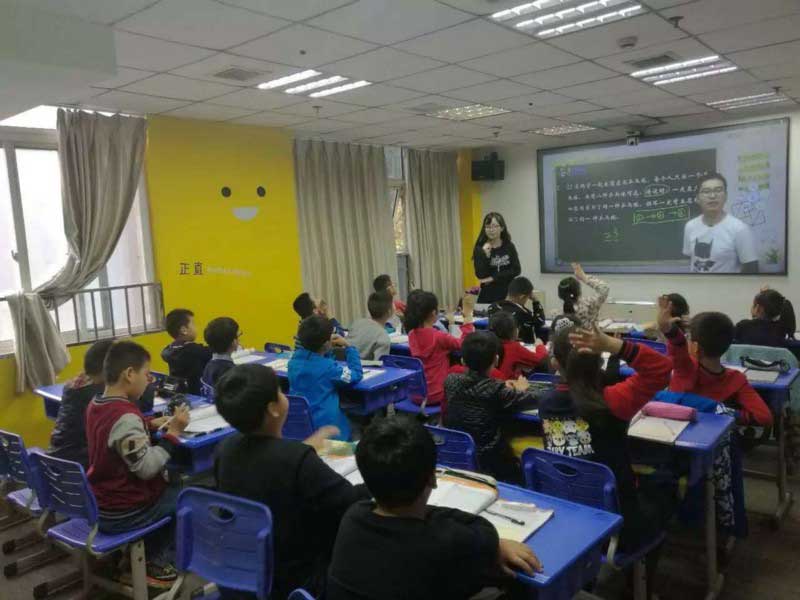
Speaking of the Blended Learning Environment, there are few points that can’t be missed out on. The model makes use of technology which is essential but the purpose of integrating the same is even more important. The term blended has to bring balance to maintain the teaching equilibrium focusing on the individual needs of the students and keeping the engagement intact. The “Blended Learning Environment” utilizes both on-line and face to face learning activities. A lot has been said on the learning model and there are limitless posts, resources and other sources of information on the same. However the researches have not stopped to find out the right way of the needed alteration to keep improving the results. 

A report from the Clayton Christensen Institute, authored by Julia Freeland, notes that blended learning environment supports competency-based learning in at least the following four ways:

1. “Online content can offer a continuum of learning along which students can progress at a flexible pace.”

2. Assessments can be delivered on-demand when students are learning online.

3. Students have more than one lesson, or one information source, through which to access content, because online learning is delivered in a “more modular manner” than face-to-face instruction. This leads to students having “multiple pathways to mastery.”

4. Blended learning offers tools for personalized education, which can support districts that are trying to scale competency-based learning systems.

Not to forget some advantages that are observed when worked upon the model of blended learning. Some of the advantages of having an effective blended learning environment include:

– Learners are not limited to one medium or delivery channel to meet the learning objectives.

– It promotes a continuous learning approach which is more effective at creating change and deep learning.

– It provides more opportunities for social learning, collaboration, increased participation and informal strategies.

– Using both synchronous and asynchronous approaches can provide more opportunities for learners to cultivate skills and apply them.

– There is the potential for faster development and reduced costs depending on the approaches that are selected.

– Technology-enabled delivery can reach a geographically dispersed audience.

I came across this resource on blended learning by the LA Trobe University that defines the concept very nicely. Below is a glimpse of the same.

The table highlights few models of the blended learning environment. Examples aligned to the models are discussed in the original post. Check them out.

Below I am sharing a few best practices of blended learning that you might find useful to have that blended learning environment:

– Do NOT pre-select the delivery format without performing a thorough content analysis and knowing the requirements of your target audience.

– It is advisable to use eLearning to deliver fundamental concepts and for pre-training preparation/induction. Then, get your learners together into a classroom for advanced concepts, practices and hands-on exercises.

– Instructor Led Training programs could be used to train learners on complex concepts, whereas eLearning courses could be used to complement and reinforce the learning.

– As we know, long courses are very difficult to handle and increase the cognitive load on learners. So, it is better to keep them short and precise. Short courses are easy to handle and digest.

– Be realistic in your expectations from various groups. For example, you don’t expect your sales engineers to spend several hours taking your eLearning courses before they attend a classroom training session. Make sure you know their choices/ requirements before providing them with the courses.

With so much hype around the use of technology in education the question is how much attention is being given to this worthy hype? It certainly does deserve all the hype as it is a much needed factor to provide the efficient education and to lead in the 21st century. However, all the resources and the effort will go empty if teachers aren’t trained to use it effectively and accept the integration of technology with open arms and evolve as the students are already digital natives being instructed by digital naives. The time is to pull up the socks.    

Do share your thoughts in the comment section below. 

TAGGED: 21st Century Education, 21st Century Learning, 21st Century Teaching, Administrators, Blended Learning, Teachers/Educators, Tips for Teachers/Educators
Share This Article
Facebook Twitter Whatsapp Whatsapp LinkedIn Reddit Telegram Email Copy Link
Priyanka Gupta
By Priyanka Gupta
Follow:
Priyanka is an experienced edtech blogger with a passion for improving education through technology. She writes thought-provoking and informative articles on the latest trends and developments in the edtech space. Through her engaging writing style and insightful analysis, readers gain a deeper understanding of how technology is transforming the way we learn and teach. From AI-powered learning platforms to gamification and conventional teaching strategies in the 21st century, Priyanka covers a wide range of topics that are relevant to educators, students, and anyone interested in the future of education.
Previous Article LyncBiz Signs MOU with Globarena to Tap the E-learning Market in India LyncBiz Signs MOU with Globarena to Tap the E-learning Market in India
Next Article PostPlay Plugin Turns Written Content into Audio Provides Easy Access to Voiceover Services PostPlay Plugin Turns Written Content into Audio, Provides Easy Access to Voiceover Services
AdvertisementWhy this Ad?

Latest EdTech News To Your Inbox

Stay Connected

AdvertisementWhy this Ad?

Latest EdTech News To Your Inbox

Stay Connected

AdvertisementWhy this Ad?

You Might Also Like

Dr Varun Vohra 1 career counsellor in india Guiding School Students
Insight

The Role of a Career Counsellor: Why Career Guidance and Career Counselling Matter More Than Ever in Indian Schools

Jun 2, 2026
Why Nonprofits and Schools Struggle with Fundraising Campaigns and How to Fix It
Insight

Why Nonprofits and Schools Struggle with Fundraising Campaigns and How to Fix It

May 8, 2026
Creative Ways to Use Calendars for Better Daily Productivity and Focus
Insight

Creative Ways to Use Calendars for Better Daily Productivity and Focus

May 7, 2026
Indias Childrens Activities Economy awaits Its Platform Moment
Insight

India’s Children’s Activities Economy Awaits Its Platform Moment

Apr 18, 2026
10 Best Online Education Masters Programs to Advance Your Teaching Career
eLearning

10 Best Online Education Master’s Programs to Advance Your Teaching Career

Apr 16, 2026
How Language Labs Improve Communication Skills and Boost Student Placement Success
Insight

How Language Labs Improve Communication Skills and Boost Student Placement Success

Apr 16, 2026
Education Has Nowhere to Hide in the Agentic Era
Insight

Education Has Nowhere to Hide in the Agentic Era

Apr 15, 2026
Sustainable AI and Making Tech Work For Students
Insight

Sustainable AI and Making Tech Work For Students

Apr 11, 2026
Show More
EdTechReviewEdTechReview

H433, 2nd Floor, Vikaspuri, New Delhi, India, 110018
Phone: 011 41321030

Follow US

Copyright © EdTechReview. All Rights Reserved.

  • Home
  • Advertise
  • Event Associations
  • Press Release
  • About
  • Services
  • Contribute
  • News
  • Trend & Insight
  • Data & Statistics
  • eLearning
  • Reviews
  • Research
  • EdTech Voices
  • Dictionary
  • Tags
  • Resources
  • Events
  • Courses
  • EdTech Product for Review
  • Sponsored/Paid Post Service
  • Our Clients
  • FAQ’S
  • Contact Us
  • Important Links
  • Sitemap
  • Terms of Use
  • Privacy Policy
newsletter
Join 100K+ subscribers!

Subscribe to our weekly newsletter that brings the latest EdTech news, trends, insights, reports, interviews, etc. for educators, school leaders, entrepreneurs, investors, & others.

loader
Zero spam, Unsubscribe at any time.
Go to mobile version
Welcome Back!

Sign in to your account

Lost your password?