This website stores cookies on your computer. These cookies are used to improve your website experience and provide more personalized services to you, both on this website and through other media.
Accept
EdTechReviewEdTechReview
  • News
  • Trends
  • Insight
  • eLearning
  • Research
  • Dictionary
  • EdTech Voices
  • More
    • Data & Statistics
    • Reviews
    • AWS for Education
    • Events

    Resources

    • Infographics
    • Reports & Case Studies
    • Videos
    • Books
    • Webinar

    Needs

    • 1:1 Learning
    • 21st Century Education
    • 21st Century Leadership
    • 21st Century Learning
    • 21st Century Teaching
    • 3D Printing
    • More Tags

    For

    • Students
    • Teachers/Educators
    • Administrators
    • Entrepreneurs/Startups
    • Govt. Officials/Policymakers
    • Parents
Explore
Search
Contribute
  • Submit A Post
  • EdTech Trainers and Consultants
  • Your Campus EdTech
  • Your EdTech Product
  • Your Feedback
  • Your Love for Us
  • EdTech Product Reviews
ETR Resources
  • About
  • Mission/Vision
  • Team
  • Services
  • Testimonials
  • Authors
  • Sponsor
  • Partner
  • Advertise
  • Our Clients
  • Media Kit
  • Press Release
  • FAQ’S
Reading: What are the Best Assessment Techniques used by Educators in the Classroom?
Aa
EdTechReviewEdTechReview
Aa
Search
  • News
  • Trends
  • Insight
  • eLearning
  • Reviews
  • Dictionary
  • EdTech Voices
  • Data & Statistics
  • Research
  • AWS for Education
  • Events
  • EdTech Voices
  • Tags
  • About
  • FAQ’S
  • Our Clients
  • Partner
Follow US
Home > Trend & Insight > Insight > What are the Best Assessment Techniques used by Educators in the Classroom?
Insight

What are the Best Assessment Techniques used by Educators in the Classroom?

Santosh Bhaskar K
Santosh Bhaskar K Published Oct 6, 2013
Share
10 Min Read
What are the Best Assessment Techniques used by Educators in the Classroom
What are the Best Assessment Techniques used by Educators in the Classroom?
SHARE

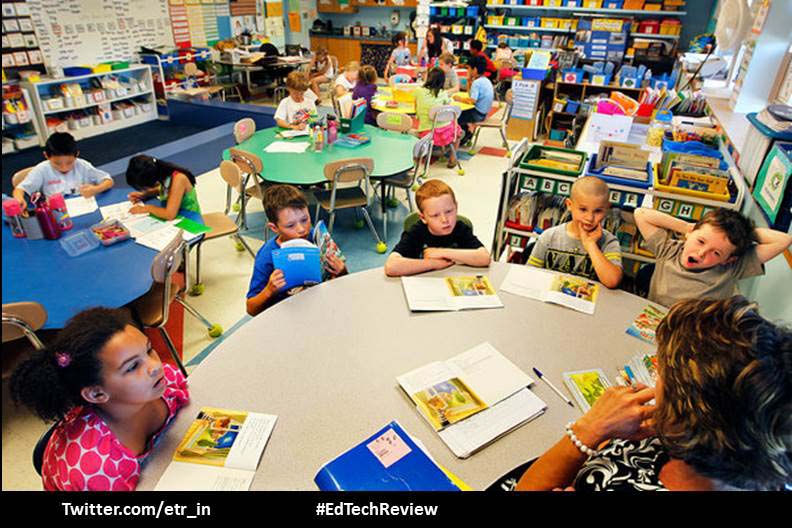
Gone are those days when only a few students reached the learning standards and the rest stayed below the line of merit. Our 21st century educational system recognizes the fact that every student is unique and has a core set of values, perspectives, 

AdvertisementWhy this Ad?

concerns and agendas in the learning environment. 

Not all the students learn equally, some learn quickly while many others take time: this doesn’t mean that they’re different but the way they learn and the learning style in which they are comfortable may differ from one student to another. Ironically, traditional methods used to provide a single teaching approach for all the students and it caused a great difference in grades among students in a classroom.  Teachers need to provide them with personalized instructions and curriculum  in order to make them learn uniquely but somehow traditional methods are no longer providing educators as well as students with sufficient time. Individualized instructions and personalized instructions are originated from a strategy called, “assessment”.  

Assessment is an integral part of instruction and it determines whether or not the learning standards are being met. It enables educators to know whether or not their teaching strategies are helpful to students. It also affects instructions about learning styles, lesson curriculum,  resources, etc. Assessment is of two kinds: Formative assessment and Summative assessment.

Formative assessment: The goal of formative assessment is to monitor student learning and provide ongoing feedback to instructors to improve their teaching and to students to improve their learning.

Summative assessment: The goal of summative assessment is to evaluate student learning at the end of an instructional unit by comparing it against some standard or benchmark.

The following are some of the best assessment techniques which educators use in their classroom.

Formative Assessment techniques by Paul Black and Chris Harrison:

“Formative assessment is not just a set of tricks for running things better in a classroom, it’s actually revolutionary in changing the way teachers relate to their pupils, and the way pupils see themselves as learners.”- Paul Black.

 “I’m passionate about promoting the sort of classrooms where children get learning experiences that take them forward and help them not just with their learning now, but the future ways they learn.”- Dr. Christine Harrison

Paul Black and Christine Harrison, authors of the influential pamphlet, “Working inside the black box”, derived some principles of assessment in secondary education.

 “The key feature is that the teacher finds ways of helping the student to be active in the classroom, and helping the student to speak out and express their ideas. Until that happens, the teacher doesn’t know what’s needed.”, said Paul Black.

If the teacher continues to teach things without knowing what students are understanding, he can’t make them learn what they are actually supposed to. Chris Harrison suggests that in formative assessment, there are many different areas that teachers and learners need to work on and feedback is the best tool to drive assessment. Feedback will occur if we allow students to express their ideas. Students should also be encouraged to do self and peer-assessments, this helps them improve themselves individually as well as through group orientations to learn and think better.

At Lord William’s School, Oxfordshire, two educators Karen Vear and Jon Ryder helped Paul and Chris with their initial research.  Both educators’ motto is to make students independent learners and they feel that there is a need to make students realize what steps they need to take next to progress in their learning. So, here are the features of Formative assessment as follows:

Continued on the next page..
12Next Page
TAGGED: 21st Century Education, 21st Century Teaching, Assessments, Formative Assessment, Teachers/Educators, Tips for Teachers/Educators
Share This Article
Facebook Twitter Whatsapp Whatsapp LinkedIn Reddit Telegram Email Copy Link
Previous Article open curriculum OpenCurriculum: Create, Access and Share K-12 Educational Content
Next Article How Do Teachers Take Out Time for Professional Development How Do Teachers Take Out Time for Professional Development?
AdvertisementWhy this Ad?

Latest EdTech News To Your Inbox

Stay Connected

AdvertisementWhy this Ad?

Latest EdTech News To Your Inbox

Stay Connected

AdvertisementWhy this Ad?

You Might Also Like

Why Enrollment Strategy Is Becoming a Campus-Wide Conversation
Insight

Why Enrollment Strategy Is Becoming a Campus-Wide Conversation

Jun 12, 2026
Dr Varun Vohra 1 career counsellor in india Guiding School Students
Insight

The Role of a Career Counsellor: Why Career Guidance and Career Counselling Matter More Than Ever in Indian Schools

Jun 2, 2026
Why Nonprofits and Schools Struggle with Fundraising Campaigns and How to Fix It
Insight

Why Nonprofits and Schools Struggle with Fundraising Campaigns and How to Fix It

May 8, 2026
Creative Ways to Use Calendars for Better Daily Productivity and Focus
Insight

Creative Ways to Use Calendars for Better Daily Productivity and Focus

May 7, 2026
Indias Childrens Activities Economy awaits Its Platform Moment
Insight

India’s Children’s Activities Economy Awaits Its Platform Moment

Apr 18, 2026
10 Best Online Education Masters Programs to Advance Your Teaching Career
eLearning

10 Best Online Education Master’s Programs to Advance Your Teaching Career

Apr 16, 2026
How Language Labs Improve Communication Skills and Boost Student Placement Success
Insight

How Language Labs Improve Communication Skills and Boost Student Placement Success

Apr 16, 2026
Education Has Nowhere to Hide in the Agentic Era
Insight

Education Has Nowhere to Hide in the Agentic Era

Apr 15, 2026
Show More
EdTechReviewEdTechReview

H433, 2nd Floor, Vikaspuri, New Delhi, India, 110018
Phone: 011 41321030

Follow US

Copyright © EdTechReview. All Rights Reserved.

  • Home
  • Advertise
  • Event Associations
  • Press Release
  • About
  • Services
  • Contribute
  • News
  • Trend & Insight
  • Data & Statistics
  • eLearning
  • Reviews
  • Research
  • EdTech Voices
  • Dictionary
  • Tags
  • Resources
  • Events
  • Courses
  • EdTech Product for Review
  • Sponsored/Paid Post Service
  • Our Clients
  • FAQ’S
  • Contact Us
  • Important Links
  • Sitemap
  • Terms of Use
  • Privacy Policy
newsletter
Join 100K+ subscribers!

Subscribe to our weekly newsletter that brings the latest EdTech news, trends, insights, reports, interviews, etc. for educators, school leaders, entrepreneurs, investors, & others.

loader
Zero spam, Unsubscribe at any time.
Go to mobile version
Welcome Back!

Sign in to your account

Lost your password?